Angela Kolesnyk (“Puma”) — On Sport, Crimea, and the Mindset of a Fighter
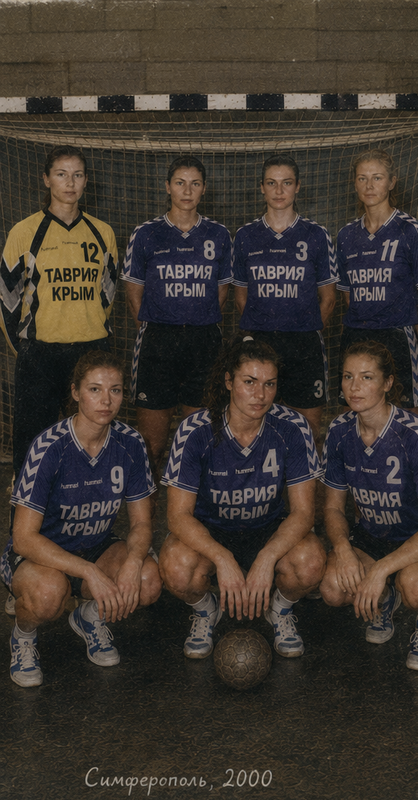
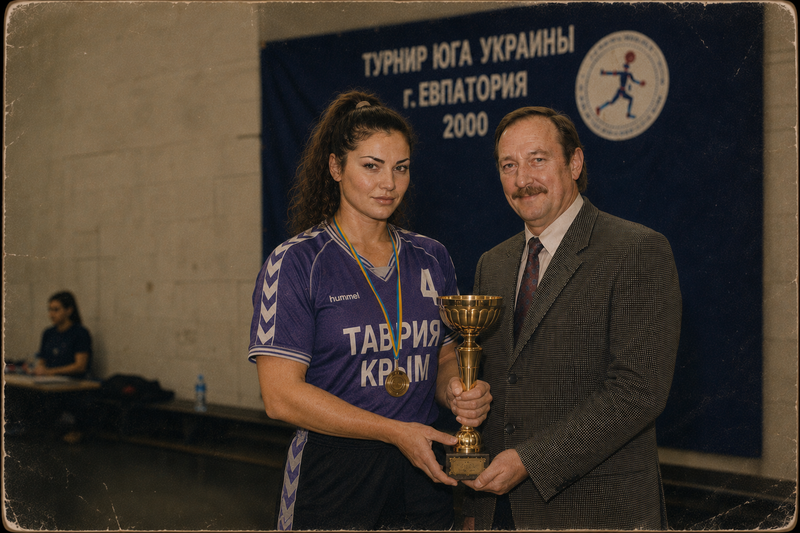
— Angela, you were born on the southern coast of Crimea, in Malyi Mayak. What was your childhood like?
— I grew up by the sea, in a beautiful place, but my personality was never exactly “resort-like.” From childhood, I was energetic, strong, and constantly moving. At school, I was involved in swimming, running, and general physical training. Looking back, it was obvious that sport would become a major part of my life.
— Why handball?
— At some point, coaches noticed my strong upper body, powerful arms, and coordination. They suggested I try handball, and it turned out to be exactly right for me. It’s a sport that requires not only strength but also character, speed, and discipline. It fit me perfectly.
— Do you remember your first serious training sessions?
— Absolutely. It started with a local sports section in Alushta, and later I moved into more professional training in Simferopol. Sports school, gym halls, training camps, constant work on myself — it wasn’t easy. There was discipline, pressure, and competition. But that period built my character.
— You were known by the nickname “Puma.” How did that happen?
— It happened after one of the tournaments. A journalist said that I moved across the court with speed, precision, and sudden power like a puma. The name stayed with me, and honestly, I liked it because it matched my playing style.
— What period of your career was the most important?
— My years with “Tavria-Crimea” were definitely defining. That was when everything became more serious: stronger opponents, tougher tournaments, more pressure. It was during that time that I realized I could be more than just a player — I could be a leader.
— Were you known as a tough player?
— I’d say I was known as someone who never gave up. I hated losing and always fought until the end. Yes, my defensive style was aggressive, but in handball, without character, you won’t survive.
— Why did you end your professional career?
— A shoulder injury. For any athlete, it’s difficult to accept when your body can no longer perform the way it once did. But I never believed sport ends when you leave the court.
— What came after professional sport?
— Coaching. I wanted to pass my experience on to young girls, especially those from smaller towns, like I once was. Helping them believe in themselves became my new purpose.
— What does sport mean to you today?
— Sport is not just about medals or titles. It’s discipline, resilience, and the ability to rise after defeat. Sport shaped me into who I am.
— What advice would you give young female athletes?
— Never be afraid of your strength. Being a strong woman is not a flaw — sometimes, it’s your greatest victory.
Achievements
Candidate Master of Sports in handball (1998)
Crimean Junior Champion
Winner of regional tournaments in southern Ukraine
Bronze medalist of the Ukrainian First League
Vice-captain of the Tavria-Crimea HC (2003)
Comments
No comments yet. Be the first to comment!